Table of Contents
One of the ways to ensure that minor issues do not escalate into costly ones is by conducting inspections on fixtures, repairing minor leaks, and safeguarding against everyday issues such as protecting your drains and water heater. Those individuals who prevent plumbing problems through maintenance practices will ensure that they avoid costly experiences.
Most plumbing disasters begin quietly, with a slow drip, a sluggish drain, or a rattling pipe that nobody bothers to check. We will show you how to recognize those early signals and respond before they grow into costly emergencies.
Why Do Small Leaks Turn Into Big Bills?
A leaking pipe rarely stays small because water keeps working on wood, drywall, and flooring every hour of the day. Homeowners who want to prevent costly plumbing repairs should treat every drip, stain, or musty smell as an early warning sign. Fixing a worn washer today costs a few dollars, while replacing a rotted subfloor costs thousands.
Every region has its own pattern of wear, and aging pipes, mineral buildup, and tree roots put steady stress on household systems. Learning about the common plumbing problems in Kennesaw helps neighbors understand which warning signs deserve attention first. Awareness gives you time to act before a minor annoyance becomes a flooded basement.
A Simple Routine for Every Fixture in Your Home
Consistent plumbing maintenance tips work best when they fit into a monthly rhythm that takes less than an hour. We suggest walking through the house with a flashlight, checking each fixture, and writing down anything unusual. This small habit gives you a record that helps a plumber diagnose problems faster later.
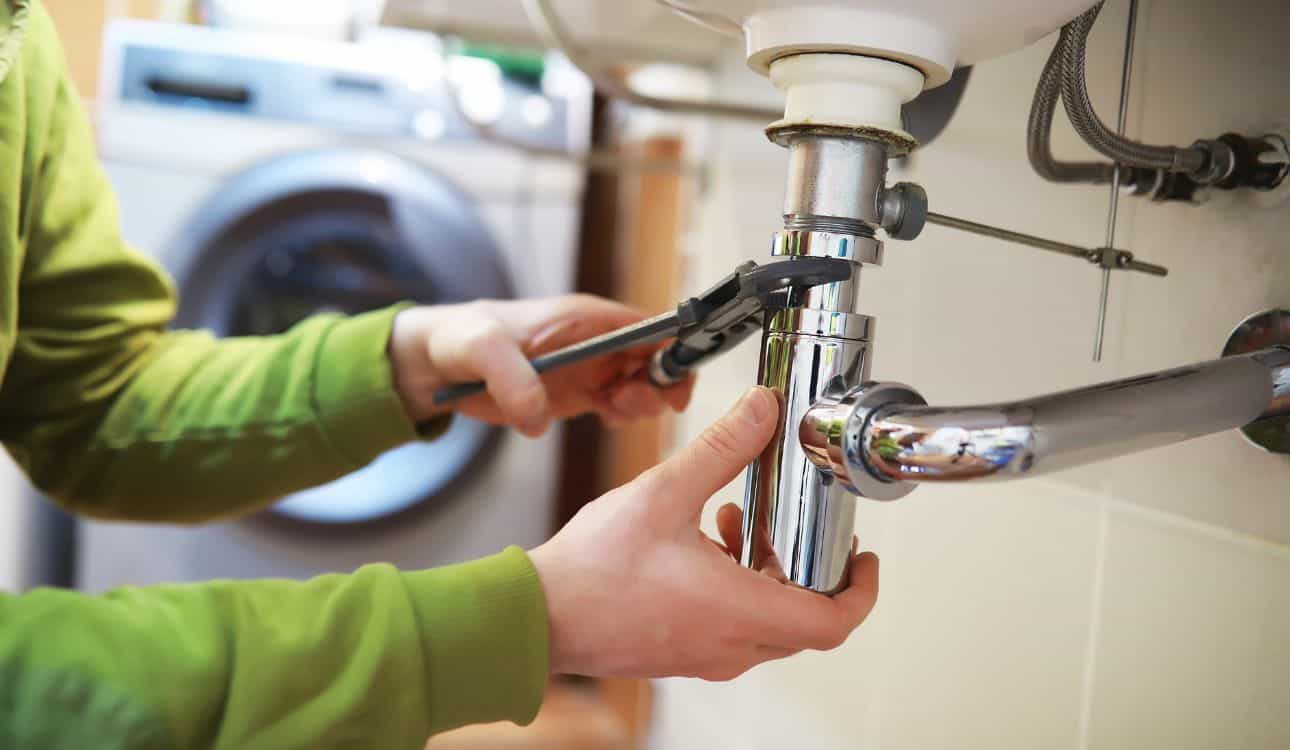
- Check under every sink for moisture, corrosion, or soft cabinet panels.
- Turn each shutoff valve twice a year so it moves freely during an emergency.
- Add a few drops of food coloring to each toilet tank and watch for color in the bowl.
- Inspect exposed pipes in the basement or garage for rust, bulges, or white mineral crust.
- Read your water meter, wait two hours without using water, and read it again to catch hidden leaks.
- Test your water pressure with an inexpensive gauge, and aim for roughly 40 to 60 psi.
Kitchen and Bathroom Drain Habits That Protect Your Pipes
Reliable plumbing prevention tips often start at the sink, because grease, coffee grounds, and food scraps harden inside pipes and narrow them over time. We recommend wiping greasy pans with a paper towel before washing them and placing mesh strainers over every kitchen and bathroom drain. Those two habits stop most everyday clogs before they start.
Hair, soap residue, and mineral deposits also collect in bathroom lines, and a monthly flush with hot water slows that buildup. When water drains slowly or gurgles, professional drain cleaning in Kennesaw, GA, can clear the line completely before a full blockage forms. Waiting usually allows the clog to harden and spread deeper into the system.
Water Heater Care That Extends Its Lifespan
A water heater runs every day, so heat and sediment steadily wear it down, and many tank units begin failing after eight to twelve years. Draining the tank once a year removes sediment and helps the unit heat water efficiently. If you hear rumbling noises or notice rusty hot water, schedule water heater repair in Kennesaw, GA, before the tank fails.
- Flush the tank annually to remove sediment that causes noise and wastes energy.
- Test the temperature and pressure relief valve once a year to confirm it works.
- Set the thermostat near 120 degrees Fahrenheit to save energy and reduce scald risk.
- Inspect the anode rod every few years, since it protects the tank interior from rust.
- Look for puddles, rust streaks, or corrosion around the base and the connections.
What Warning Signs Should Homeowners Never Ignore?
Early signals give homeowners a valuable window to avoid plumbing emergencies, but only when they notice those signals and act quickly. Many clues appear gradually, so a quick look at the list below during your monthly walkthrough can save considerable money. When two or more signs appear together, we strongly advise calling a licensed plumber.
- Water bills that climb without any change in household habits.
- Discolored, cloudy, or foul-smelling water coming from your taps.
- Gurgling drains or toilets that bubble whenever another fixture runs.
- Damp spots, bubbling paint, or warped flooring near walls and fixtures.
- Sudden drops in water pressure throughout the entire house.
- Sewage odors in the yard, basement, or around floor drains.
Seasonal Checks and Yearly Professional Inspections
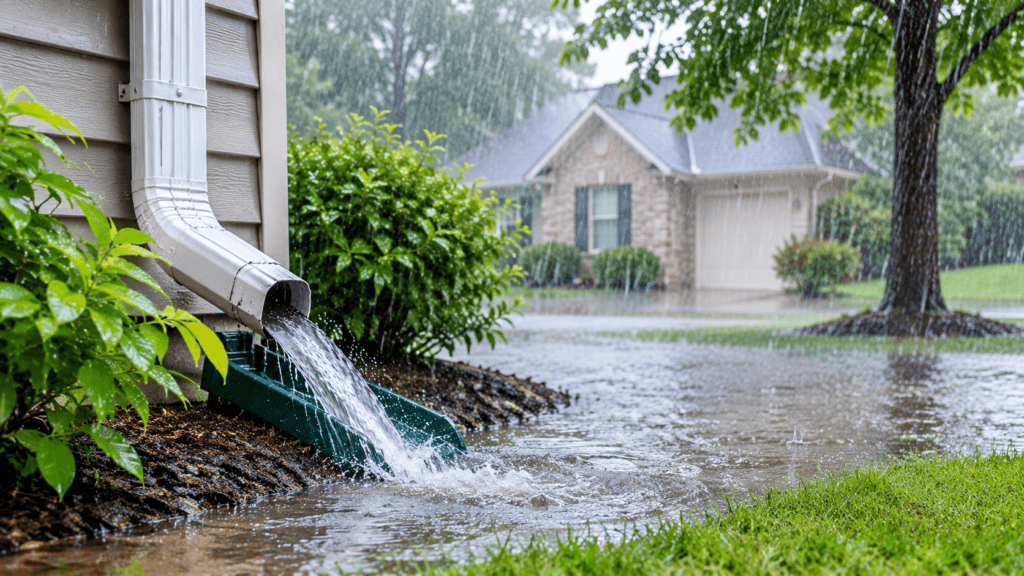
Consistent home plumbing maintenance changes with the seasons, so a short checklist for each one keeps nothing from slipping through the cracks. Before winter, insulate exposed pipes, disconnect garden hoses, and learn where your main shutoff valve sits. In spring, check outdoor spigots and clear gutters and downspouts so water drains away from the foundation.
A yearly visit from a licensed plumber catches hidden issues that homeowners cannot see, such as slow leaks inside walls or roots entering sewer lines. Camera inspections let a technician look inside the pipes without digging up your yard. This investment is a dependable way to prevent plumbing problems that stay invisible until the damage appears.
Small Habits Today, Big Savings Tomorrow
Taking care of your plumbing system is not something difficult, but it requires persistence and the ability to be alert to small indications of trouble. Those people who practice the above-discussed methods successfully manage to avoid any kind of plumbing issues, which could cost them extra money and disturb their routine lives.
A Plus Priority Plumbing is a company that has served Atlanta residents for over 16 years with certified plumbers, no call fees, and 24/7 emergency services. Contact them now to make an appointment and keep your plumbing system in good condition.
Frequently Asked Questions
Most homes benefit from one professional inspection each year, and older houses may need a visit every six months. Pairing that visit with your own home plumbing maintenance routine keeps hidden leaks, corrosion, and weak connections from growing into larger repairs.
Grease, coffee grounds, eggshells, and so-called flushable wipes cause most blockages because they cling to pipe walls and trap other debris. Following basic plumbing prevention tips, such as using strainers and throwing wipes in the trash, protects every line in your home.
A single drip per second can waste more than 3,000 gallons of water each year while quietly damaging framing and insulation. Fixing that drip early is the simplest way to prevent costly plumbing repairs after the damage spreads.
It usually sits near the water meter, in the basement, or along an exterior wall that faces the street. Knowing its location ranks among the most useful plumbing maintenance tips, because shutting off the water fast limits damage during a burst pipe.
When there is frequent leaking, rusting water, and pipes over forty to fifty years old, repair work will not be considered. Early action will save you from plumbing disasters, which always come unexpectedly, especially when you least expect them.

Ray White is the owner and operator of A Plus Priority Plumbing, bringing over 30 years of hands-on experience in the plumbing industry. He provides reliable residential and commercial plumbing services to homes and businesses throughout Greater Atlanta, Georgia, and surrounding areas, with a focus on emergency service and fair, affordable pricing.