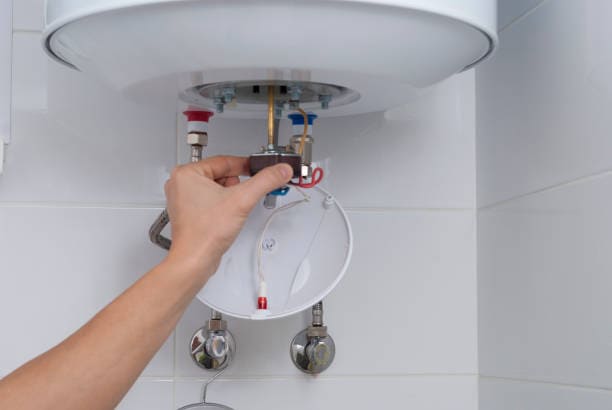
Why Water Heaters Break Down
A water heater runs all day, every day. Over the years, the parts inside start to go. At the same time, minerals from the water leave deposits inside the tank. That buildup makes the system work harder, slows down heating, and causes sounds you would not normally hear. Older units also tend to rust or start leaking as the years go by. Sometimes the fix is simple, like swapping out a heating element or replacing a thermostat. Other times, the damage is more serious. Either way, calling a repair expert when something seems off is always better than waiting to see what happens next.Signs You Need Water Heater Repair at Home
A water heater usually gives you hints before it fully gives out. Catching those hints early can save you from a much larger plumbing problem later on. Some of the most common warning signs include:- Little or no hot water coming through
- Banging or popping sounds from the tank
- Water is collecting around the base of the unit
- Hot water that looks rust-colored or discolored
- Water temperature that keeps shifting on its own
- A rise in energy bills with no obvious cause
When Repair Is the Right Choice
A broken water heater does not always mean you need a new one. Many problems can be sorted out with a straightforward repair, especially when they are found early. A worn heating element, a faulty thermostat, a pressure valve that needs attention, or a small part that has stopped working can all be fixed without replacing the whole unit. If the tank is still holding up and the water heater is not too old, repair is usually the more sensible and less costly option. A plumber will come out, take a proper look, and let you know what the situation is. That is why many homeowners go with a professional repair service rather than putting it off and ending up with a worse problem down the line.When to Replace a Household Water Heater
There are times when a repair just will not cut it. If your water heater is getting on in years, keeps breaking down, or has started leaking badly, putting in a new unit is often the better long-term choice. Most water heaters hold up for about 8 to 12 years. After that, things start to go downhill. You get less hot water, repairs come up more often, and the system starts costing more to run. Heavy rust or a leaking tank are also strong signs that the unit has done its time. Watch out for these signs that a replacement may be needed:- The tank itself has started leaking
- You have had to call for repairs several times already
- There is visible rust or corrosion on the unit
- The hot water supply has become unreliable
- Running costs keep going up as the system gets older
Why Emergency Water Heater Service Matters
A professional will inspect the unit properly, catch things that are easy to miss, and give you an honest answer on whether to repair or replace. They will also make sure any new installation is done the right way. Many homeowners prefer to work with local specialists because good professional service keeps the whole plumbing system safe and gets reliable hot water back where it belongs. Working with local water heater plumbers also gives homeowners faster access to trusted repair and replacement help when hot water problems cannot wait. Call A Plus Priority Plumbing for Fast Water Heater HelpWhy Call Local Water Heater Plumbers
Going with a local plumber means help gets to you faster. That matters a lot when hot water is out, and the household is waiting. A professional will inspect the unit properly, catch things that are easy to miss, and give you an honest answer on whether to repair or replace. They will also make sure any new installation is done the right way. Many homeowners prefer to work with local specialists because good professional service keeps the whole plumbing system safe and gets reliable hot water back where it belongs.Frequently Asked Questions
If only one part has stopped working, like a thermostat or a heating element, a repair is usually enough to sort it out. On the other hand, if the tank is leaking, heavily rusted, or has been running for more than 10 years, then replacement is probably the more sensible route. A professional who comes out to look at the unit can give you a clear answer on which direction makes the most sense for your home and what you want to spend.
Those sounds usually come from sediment that has built up at the bottom of the tank over time. When the water heats up, it pushes through that layer of buildup, which causes the banging or popping you hear. Beyond being noisy, this also makes the unit work harder than it should, which shortens its life. Getting someone to check it before the problem gets worse is the best thing to do.
That depends on where the leak is. If it is coming from a valve or a connection point, there is a good chance it can be fixed. But if the leak is coming from the tank itself, a repair is not going to hold. A tank that has started leaking from the body usually needs to be replaced, and waiting too long only increases the risk of water damage to your home.
Most units last somewhere between 8 and 12 years, though that number can shift depending on your water quality, how much the system gets used, and whether it has been looked after along the way. Regular check-ups go a long way toward catching small issues before they become bigger ones and keeping the system running well for as long as possible.
If you have suddenly lost hot water, spotted water pooling around the tank, noticed an odd smell near the unit, or seen signs that the system has stopped working altogether, that is the time to call. Getting someone out fast limits the damage and gets things back to normal much sooner than if you wait to see whether the problem sorts itself out.