Table of Contents
Last updated: July 16, 2026
Key Takeaways
- Discolored or smelly hot water often signals internal tank corrosion, which may require full water heater replacement.
- Frequent breakdowns add up fast, and repeated repair bills can quickly match the cost of a new unit.
- Rising energy bills with no other cause suggest an aging, less efficient heater nearing the end of its life.
- Most water heaters last 10 to 15 years, after which replacement is usually safer and more cost-effective.
Your water heater is one of the most important appliances in your home. It ensures hot water for showers, laundry, dishes, and more. Yet, most homeowners rarely think about it—until it stops working.
A failing water heater can disrupt your daily life and even pose safety risks. In extreme cases, an old or malfunctioning unit could leak or even explode, causing serious damage to your home.
So how do you decide whether to repair or replace an old water heater? Here are four critical factors to help you make the best choice.
1. Discolored or Smelly Water
If your water has a strange color or odor throughout your home, it may indicate problems inside the water heater itself.
-
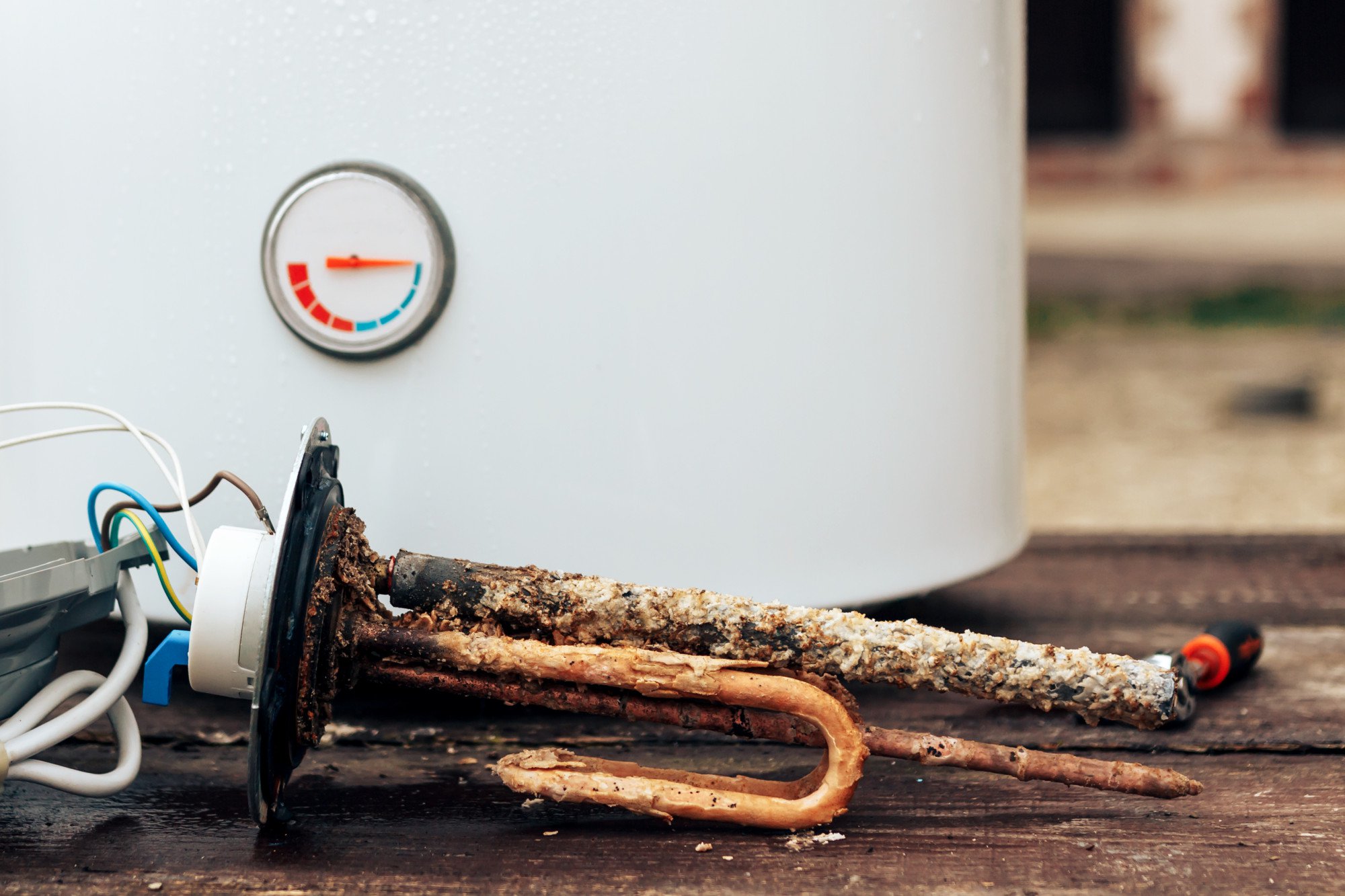
Rust Inside the Tank: Older water heaters can corrode internally, affecting water quality.
-
Repair vs Replacement: Minor corrosion may be repairable, but severe rust often requires a full replacement.
Consult a professional to weigh cost, safety, and long-term reliability before making a decision.
2. Frequent Breakdowns
How often has your water heater required repairs in the past year?
-
Repair Costs Add Up: Repeated service calls can quickly match or exceed the cost of a new unit.
-
Ongoing Reliability: If breakdowns are frequent, replacing the water heater may save you stress, money, and inconvenience.
A reliable plumber service in Atlanta can evaluate the frequency and severity of breakdowns to determine if replacement is more practical.
3. Rising Energy Bills
A water heater nearing the end of its life becomes less efficient, consuming more energy to heat the same amount of water.
-
Hidden Culprit: If your energy bills have increased with no other explanation, your water heater may be to blame.
-
Repair or Replace: Initial repairs can improve efficiency temporarily, but continued spikes in energy usage often signal it’s time for a new water heater.
4. Age of the Water Heater
The typical lifespan of a water heater ranges from 10–15 years. Once your unit is older than this, it’s more likely to experience frequent issues.
-
Warranty Status: Units no longer under warranty should be monitored closely.
-
Safety Concerns: An old water heater is more prone to leaks, corrosion, and other hazards.
If your water heater is nearing the end of its useful life, replacement is often the safest and most cost-effective option.
Repairing vs Replacing Your Water Heater
A quick rule of thumb:
| Consider repairing if… | Consider replacing if… |
|---|---|
| Under ~10 years old | 10–15+ years old (typical lifespan) |
| Still under warranty | Out of warranty |
| First or isolated issue | Frequent breakdowns or rising energy bills |
| A minor fix, no safety concern | Leaks, corrosion, or discolored water |
Making the choice between repair and replacement depends on the unit’s age, condition, efficiency, and your long-term needs.
At A-Plus Priority Plumbing, our team of plumbers in Atlanta GA provides expert advice, inspections, and professional installation. We’ll evaluate your water heater and help you decide the most practical solution for your home and budget.
Final Thoughts
Ignoring an aging or malfunctioning water heater can lead to higher energy bills, frequent repairs, and potential safety risks. By considering the water quality, breakdown frequency, energy costs, and age, you can make an informed choice between repair and replacement.
📞 Contact A-Plus Priority Plumbing today for professional plumbing services in Atlanta GA. Our experts will help you restore reliable hot water to your home safely and efficiently.
Frequently Asked Questions
Should I repair or replace my old water heater?
Deciding whether to repair or replace an old water heater depends on four factors: discolored or smelly water, how often it breaks down, rising energy bills, and the unit's age. Minor issues on a newer unit are usually worth repairing, but an old, inefficient, or frequently failing heater is better replaced.
How long does a water heater typically last?
A typical water heater lasts about 10 to 15 years. Once a unit passes that range it becomes more prone to leaks, corrosion, and breakdowns, and its efficiency drops, so age alone is often a strong signal that replacement is the safer and more cost-effective choice.
Does rusty or smelly hot water mean my heater is failing?
Rusty or smelly hot water often means the inside of your water heater tank is corroding. Minor corrosion may be repairable, but widespread rust usually signals the tank is breaking down and needs replacement to protect your water quality and avoid a future leak or failure.
Why do my energy bills go up as my water heater ages?
Energy bills climb as a water heater ages because the unit loses efficiency and has to work harder to heat the same amount of water, often due to sediment buildup. If your bills are rising with no other explanation, an aging heater is a likely culprit and may be due for replacement.
For more on efficiency and unit lifespan, the U.S. Department of Energy water heating guidance explains how to compare repair and replacement options.

Ray White is the owner and operator of A Plus Priority Plumbing, bringing over 30 years of hands-on experience in the plumbing industry. He provides reliable residential and commercial plumbing services to homes and businesses throughout Greater Atlanta, Georgia, and surrounding areas, with a focus on emergency service and fair, affordable pricing.