Table of Contents
Last updated: May 27, 2026
Key Takeaways
- Water damage usually starts quietly with slow drainage, hidden buildup, or a deep clogged drain.
- Restricted flow creates pressure inside pipes and stresses sewer lines not designed for it.
- A slow kitchen sink or gurgling shower drain is often an early sign of broader sewer issues.
- Proactive drain cleaning reduces emergency risk and supports long-term plumbing system health.
Water damage rarely starts with a sudden flood. In most homes, it begins quietly with slow drainage, unseen buildup, or a clogged drain hidden deep within the plumbing system.
Over time, these small problems interfere with normal wastewater flow, create pressure inside pipes, and place stress on sewer lines that were never designed to handle restricted movement.
Drain and sewer cleaning services help stop this progression before it leads to costly repairs and long-term damage.
Many homeowners underestimate how interconnected their plumbing really is.
A slow kitchen sink drain or gurgling shower drain may seem like a minor inconvenience, but these are often early signs of broader sewer and drain issues.
When one section of the system struggles, the effects travel downstream. Understanding how drain and sewer cleaning works as a preventive measure helps homeowners protect both their property and their plumbing system.
Proactive drain cleaning reduces the risk of emergencies, supports long-term plumbing system health, and plays a key role in home water damage prevention.
The sections below explain how sewer and drain cleaning works, why neglected drain lines cause serious problems, and when emergency drain cleaning services become necessary.
What Are Drain and Sewer Cleaning Services?
Drain and sewer cleaning services focus on restoring proper wastewater flow throughout the entire plumbing system.
Rather than addressing a single clogged drain, these services look at how all drain lines, sewer lines, and connection points function together.
How Drain Systems and Sewer Lines Work Together
Every drain in a home feeds into a larger sewer and drain network. Kitchen sinks, shower drains, floor drains, and bathroom fixtures connect to branch drain lines, which then lead to the main drain and main sewer line.
Gravity moves wastewater through this system toward municipal sewer services or septic systems, which is why routine drain and sewer cleaning services play an important role in keeping everything flowing correctly.
When debris builds up inside drain lines, it slows wastewater movement.
That restriction pushes stress downstream, increasing pressure in sewer lines.
A single clogged drain can signal deeper sewer issues that affect the entire plumbing system.
Common Methods Used in Drain and Sewer Cleaning
Cleaning methods vary depending on the type and location of the blockage.
- Mechanical tools remove solid obstructions and compacted debris
- High-pressure water jetting clears grease, sludge, and residue from pipe walls
- Video camera inspections help identify hidden blockages, tree roots, or damaged sections
Professional drain cleaning focuses on restoring full flow while minimizing stress on pipes.
The goal is system-wide improvement rather than temporary relief.
How Clogged Drains Lead to Costly Water Damage
Drain problems rarely stay isolated. When drainage issues are ignored, they create conditions that lead to serious plumbing problems and water damage.
Pressure Buildup and Pipe Failure
When wastewater cannot move freely, pressure builds inside drain lines and sewer lines.
Older pipes and joints are especially vulnerable to this stress. Over time, cracks form, joints loosen, and leaks develop behind walls or under floors.
Even small leaks allow moisture to spread into surrounding materials.
This hidden moisture often goes unnoticed until visible damage appears, at which point repairs are far more expensive.
Sewer Backups and Interior Flooding
When a main sewer line becomes blocked, wastewater has nowhere to go.
Instead of flowing outward, it moves backward into the home through floor drains, shower drains, or lower-level fixtures.
Sewer backups introduce contaminated water into living spaces and often require emergency drain cleaning.
Beyond immediate cleanup, these events can damage flooring, drywall, insulation, and personal property.
Hidden Moisture, Mold, and Structural Damage
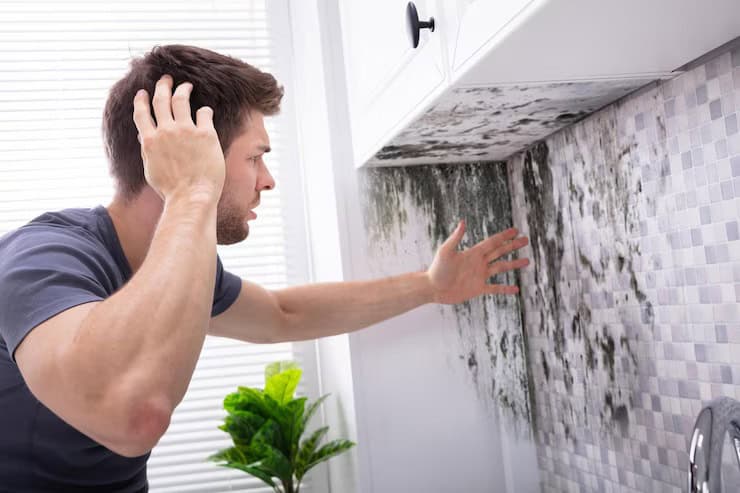
Standing water and slow leaks create ideal conditions for mold growth.
Moisture trapped inside walls weakens drywall and framing while reducing indoor air quality.
Left unaddressed, these issues can compromise the home’s structural integrity.
Preventive sewer and drain cleaning helps avoid this chain reaction by keeping wastewater moving as designed.
Signs You Need Drain and Sewer Cleaning Services
Drain issues usually provide warning signs before they turn into emergencies.
Recognizing these early indicators allows homeowners to act before damage escalates.
- Slow drainage in sinks, tubs, or showers
- Recurring drain clogs in multiple fixtures
- Gurgling noises coming from the drain lines
- Persistent odors from sewer and drain openings
- Standing water near floor drains
- Water is backing up into the kitchen sink drains or the shower drains
These symptoms often point to broader sewer and drain problems rather than a single isolated clog.
Preventive Benefits of Routine Drain and Sewer Cleaning
Routine maintenance focuses on prevention rather than reaction.
Sewer and drain cleaning plays a direct role in reducing risk across the plumbing system.
Reducing Emergency Plumbing Situations
Emergency drain cleaning services are often needed when blockages reach critical points.
Routine drain cleaning services remove buildup early, lowering the chance of sudden failures and same-day service calls.
Extending the Life of Your Plumbing System
Buildup inside drain lines and sewer lines can be corrosive.
Professional drain cleaning removes materials that accelerate wear, helping pipes last longer and reducing the likelihood of sewer line repair.
Protecting Property Value and Indoor Air Quality
Water damage and mold issues can reduce property value and complicate insurance claims.
Keeping drains clear supports healthier indoor air quality and protects long-term home value.
Professional Drain and Sewer Cleaning vs DIY Methods
Many homeowners attempt to manage drain problems on their own.
While DIY methods can offer short-term relief, they rarely solve deeper sewer and drain issues.
Limitations of Chemical Drain Cleaners
Chemical drain cleaners may dissolve surface-level buildup, but they often fail to clear sewer lines or the main drain.
Repeated use of harsh chemicals can damage pipes and increase the risk of leaks.
DIY tools also have limited reach and may leave stubborn clogs untouched.
Advantages of Professional Drain Cleaning Services
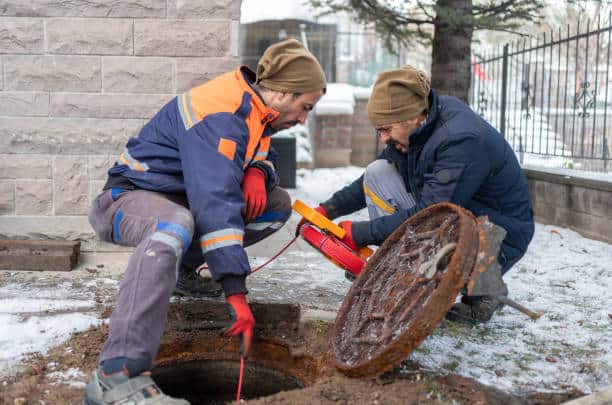
Professional drain cleaning services use advanced equipment and trained sewer specialists to clean the entire system.
Video camera inspections provide accurate diagnosis, while high-pressure water jetting delivers long-term results without damaging pipes.
Professional services focus on effective solutions rather than temporary fixes.
How Often Should Drain and Sewer Cleaning Be Done?
There is no single schedule that fits every home. Several factors influence how often sewer and drain cleaning is needed.
- Household size and water usage
- Age of the home’s plumbing
- Presence of tree roots near sewer lines
- History of drain clogs or sewer backups
- Septic tank and septic systems usage
Many residential drain systems benefit from cleaning every one to two years.
Homes with older sewer lines or recurring drainage issues may require more frequent service.
Drain and Sewer Cleaning and Septic Systems
Homes with septic systems rely on proper wastewater movement just as much as those connected to municipal sewer services.
Septic tank maintenance works alongside sewer and drain cleaning to prevent backups and overflow.
Delayed septic tank cleaning can cause wastewater to push back into drain lines, affecting floor drains and lower-level fixtures.
Coordinated maintenance helps prevent these problems.
Emergency Drain Cleaning Services and Same-Day Response
Emergency drain cleaning services address urgent issues such as sewer backups, standing water, and sudden drain failures.
Same-day service limits damage and restores normal drainage quickly.
Emergency drain cleaning is often the result of ignored warning signs like slow drainage or recurring drain clogs.
Cost Considerations for Drain and Sewer Cleaning
How Much Does It Cost to Clean Out a Sewer Drain?
The cost to clean a sewer drain depends on blockage severity, access points, and system length.
Preventive sewer cleaning services are generally far less expensive than repairs caused by long-term neglect.
How Much Does a Main Drain Cleaning Cost?
Main drain cleaning typically costs more than clearing a single fixture, but it helps prevent costly repairs to sewer lines and the plumbing system.
Drain Cleaning vs Sewer Cleaning Explained
What Is the Difference Between Drain Cleaning and Sewer Cleaning?
Drain cleaning focuses on individual fixtures like kitchen sinks or shower drains.
Sewer cleaning targets the main sewer line and the larger sewer system that carries wastewater away from the home.
Both services are essential for overall plumbing system health.
Conclusion
Drain and sewer cleaning services act as a preventive safeguard against water damage, plumbing failures, and unexpected emergencies.
Small drainage issues can escalate quickly when left unaddressed, placing stress on sewer lines and the entire plumbing system.
By recognizing early warning signs, scheduling routine drain cleaning, and relying on professional services when needed, homeowners can protect their property and avoid expensive disruptions.
Preventive care keeps drains clear, supports wastewater flow, and reduces the risk of future issues.
Maintaining drain and sewer health is not about reacting to disaster.
It is about preventing it before it starts.
When buildup leads to overflows, EPA water damage and mold resources outline how to dry and clean affected areas to prevent further harm.
Frequently Asked Questions
Frequent clogs are caused by grease, soap scum, debris, tree roots, and improper disposal of waste.
Yes. Professional drain cleaning reduces pressure and clears blockages that lead to sewer backups.
Professional drain cleaning is worth it because it provides long-term protection, reduces emergency risks, and helps prevent costly repairs.
Neglected sewer lines are more likely to fail, leading to backups, water damage, and structural issues.

Ray White is the owner and operator of A Plus Priority Plumbing, bringing over 30 years of hands-on experience in the plumbing industry. He provides reliable residential and commercial plumbing services to homes and businesses throughout Greater Atlanta, Georgia, and surrounding areas, with a focus on emergency service and fair, affordable pricing.