Last updated: June 30, 2026
Key Takeaways
- A failing water heater in winter calls for fast action to avoid cold water and potential tank damage.
- Most water heaters last roughly eight to twelve years before repairs become more frequent and costly.
- Smelling gas near the unit is an emergency that requires leaving the area and calling for professional help.
- Regular maintenance like flushing sediment helps prevent sudden breakdowns and extends the heater's lifespan.
From Troublesome Noises to Complete Breakdowns: Identifying Water Heater Issues and Taking Immediate Action While Awaiting Professional Help in Marietta
The shock of stepping into a shower during the winter months only to be blasted with ice-cold water ranks among life’s most unpleasant surprises. One minute, everything seems normal – preparing for work, getting the kids cleaned up after hockey practice, or simply trying to warm up after a long winter day in Marietta. The next? Shivering under freezing water, wondering what went wrong. This common household emergency leaves families frustrated and uncomfortable, especially during harsh winters when temperatures plummet and reliable hot water becomes absolutely essential. The problem often stems from a malfunctioning water heater that requires immediate professional attention.
When faced with the need for emergency water heater repair, minutes drag on like hours. Thankfully, most water heater troubles have solutions, and knowing how to respond while awaiting professional help can make all the difference. Most units last between 8-12 years, though parts occasionally fail without warning – particularly during harsh Ontario winters when systems work overtime to keep households comfortable.
Several common water heater emergencies might plague Marietta homes:
- Unusual tank noises: That odd popping or rumbling sound isn’t some mysterious plot against peaceful mornings. More likely, it indicates sediment building up at the tank bottom. Over time, minerals from local municipal water settle and harden. When water becomes trapped underneath these deposits, strange noises result. Beyond the annoying sounds, this forces the heater to consume more energy, raising utility bills while shortening the unit’s lifespan.
- Discoloured or rusty water: Brown or rusty-looking water typically signals internal corrosion affecting either the tank itself or connected pipes. This development might suggest the tank has begun rusting from inside out – a process that often precedes leaking. Dealing with water damage on top of heating issues creates unnecessary complications for homeowners.
- Water pooling near the base: Discovering puddles around a water heater means trouble brewing. Even minor leaks can rapidly escalate into major household disasters. Safety comes first – immediately turn off power to electric heaters or switch gas models to “pilot” settings. Next, shut off the cold water supply valve to prevent additional water flow. These quick actions buy valuable time before professionals arrive.
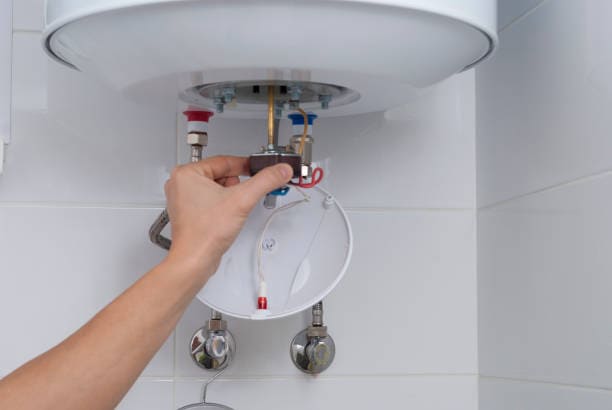
- Complete hot water loss: Sometimes simpler issues cause total hot water failure – perhaps a tripped circuit breaker or extinguished pilot light. Check these possibilities first. Electric heaters might have failed heating elements, while gas models sometimes develop thermocouple problems preventing burners from staying lit.
While waiting for assistance, stay calm. Important safety note: anyone smelling gas should leave the home straight away and contact both emergency services and the local gas provider. For less dangerous situations, some homeowners reset electric heaters by switching the breaker off then back on. Those with gas models might relight pilot lights following manufacturer guidance – though when uncertain, waiting for qualified help represents the wiser choice.
Smart homeowners keep emergency supplies ready: clean towels for soaking up minor leaks, appropriate fire extinguishers rated for electrical fires, and contact details for trusted local plumbers.
Prevention remains the best strategy. Annual maintenance checks scheduled before winter arrives can catch developing problems. Most catastrophic failures send warning signals before complete breakdown – spotting these early signs saves both money and aggravation.
Households with older systems (approaching 10 years) should research replacement options sooner rather than later. Today’s models offer improved efficiency ratings and reliability features. Some Marietta residents might even qualify for energy efficiency rebates when upgrading outdated equipment.
Featured Image Source: https://cdn.pixabay.com/photo/2013/12/13/21/13/plumber-228010_1280.jpg
Frequently Asked Questions
What should I do when my water heater fails in winter?
When a water heater fails in winter, stay calm while awaiting professional help, since most water heater troubles have solutions. For electric units, some homeowners reset by switching the breaker off and back on, and gas models may require relighting the pilot following manufacturer guidance.
How long does a water heater typically last?
A water heater typically lasts between 8 and 12 years, though parts can occasionally fail without warning, especially during harsh winters when systems work overtime. Households with units approaching 10 years should research replacement options sooner rather than later.
What should I do if I smell gas near my water heater?
If you smell gas near your water heater, leave the home straight away and contact both emergency services and your local gas provider. This is an important safety step that should never be handled as a DIY fix, unlike a less dangerous electric reset.
Can regular maintenance prevent water heater emergencies?
Yes, regular maintenance helps prevent water heater emergencies. Annual checks scheduled before winter can catch developing problems early, and most catastrophic failures send warning signals beforehand, so spotting these early signs saves both money and aggravation.
When a heater reaches the end of its life, the Department of Energy water heating guide can help homeowners choose an efficient replacement.

Ray White is the owner and operator of A Plus Priority Plumbing, bringing over 30 years of hands-on experience in the plumbing industry. He provides reliable residential and commercial plumbing services to homes and businesses throughout Greater Atlanta, Georgia, and surrounding areas, with a focus on emergency service and fair, affordable pricing.